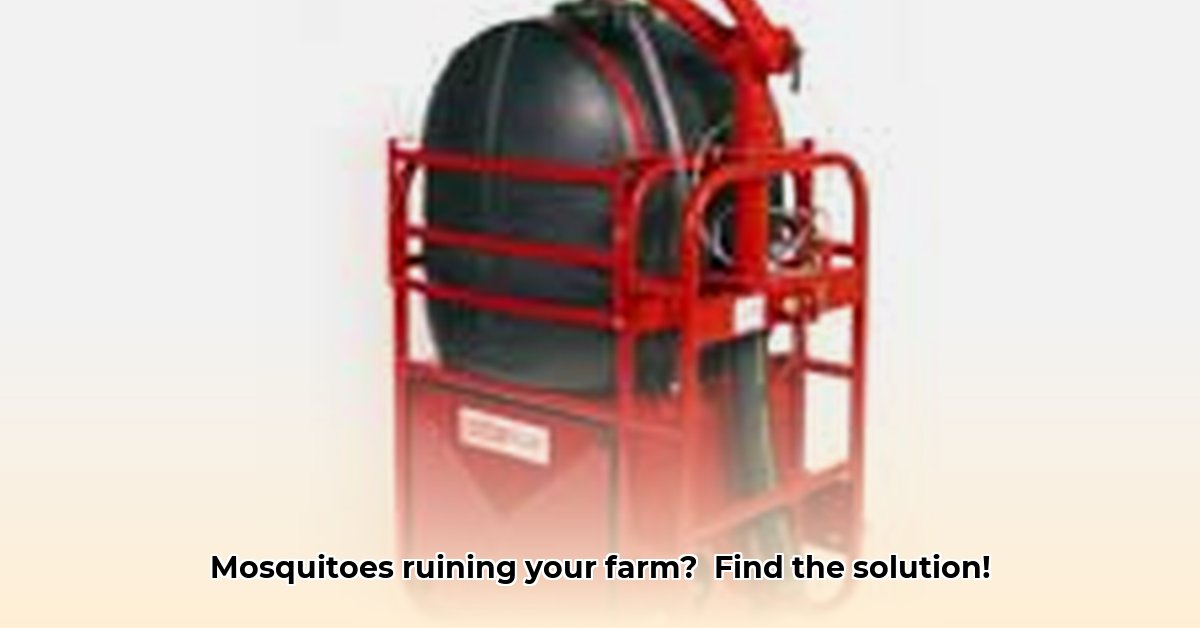
Understanding Tractor Supply Mosquito Foggers and Their Role in Sustainable Agriculture
Mosquitoes pose a significant threat to crop yields and farm operations. Tractor Supply Company offers mosquito foggers as a rapid solution, but responsible and sustainable use is crucial. These foggers disperse insecticides in a fine mist, providing quick knockdown of adult mosquito populations. However, relying solely on foggers neglects the broader ecological picture. This guide details responsible fogger use, emphasizing integration with sustainable pest management practices.
The Environmental Impact: A Holistic View of Mosquito Control
While foggers offer immediate relief, their environmental impact demands careful consideration. The insecticides used can affect beneficial insects, including pollinators like bees and butterflies, essential for healthy ecosystems and crop production. Furthermore, overuse leads to insecticide resistance, diminishing fogger effectiveness and necessitating stronger, potentially more harmful, treatments. This highlights the urgent need for a balanced approach. Do you want to risk long-term ecosystem damage for short-term mosquito control?
Integrated Pest Management (IPM): A Sustainable Strategy
Sustainable agriculture advocates for Integrated Pest Management (IPM), a holistic approach that prioritizes minimizing environmental harm. IPM involves a multi-faceted strategy, combining several techniques to manage pests effectively. It's not about eradication, but rather about keeping pest populations below economically damaging levels. Foggers become one tool within this broader strategy, not the sole solution.
Step-by-Step Guide to Responsible Fogger Use
Monitor and Assess: Carefully observe mosquito activity, identifying peak times and breeding sites (standing water). This knowledge guides targeted application.
Source Reduction: Eliminate standing water sources: repair leaky faucets, empty containers, and regularly clean gutters. This proactive step reduces mosquito breeding before it begins.
Targeted Application: Use foggers only when necessary, focusing on areas with high mosquito populations. Avoid blanket spraying, as this harms beneficial insects and wastes resources.
Product Selection: Choose EPA-registered insecticides specifically designed for mosquito control. Always meticulously follow label instructions for application rates and safety precautions.
Timing: Apply foggers during periods of peak mosquito activity (dawn or dusk) on calm days to maximize effectiveness and minimize drift.
Safety First: Wear appropriate Personal Protective Equipment (PPE), including gloves, eye protection, and a respirator, to protect yourself from insecticide exposure.
Evaluation and Adjustment: After fogging, assess its effectiveness and any unintended consequences. Adjust your strategy based on these observations. This iterative process improves long-term performance.
Sustainable Alternatives to Chemical Foggers
Sustainable mosquito control extends beyond chemical foggers. Consider these environmentally friendly alternatives:
Biological Control: Introduce natural predators like dragonflies or bats, which effectively control mosquito populations without harmful chemicals.
Larvicides: Target mosquito larvae in standing water using environmentally friendly options like Bacillus thuringiensis israelensis (Bti). This prevents mosquitoes from reaching adulthood, minimizing the need for foggers.
Habitat Modification: Modify the environment to be less hospitable to mosquitoes. Plant mosquito-repelling vegetation or adjust irrigation practices to eliminate standing water.
Companion Planting: Integrating mosquito-repellent plants into your landscaping can significantly reduce mosquito populations naturally.
Weighing the Pros and Cons: A Balanced Perspective
Mosquito foggers provide a quick solution but come with environmental consequences. A balanced approach integrates foggers into a broader IPM strategy, minimizing harm and maximizing long-term sustainability. Thorough planning, careful application, and the implementation of sustainable alternatives are key to effective and environmentally responsible mosquito control.
Key Takeaways:
- Responsible fogger use requires integration with a comprehensive IPM strategy.
- Sustainable mosquito control is a long-term commitment, not a quick fix.
- Explore environmentally friendly alternatives to minimize ecological impact.